Product Overview:
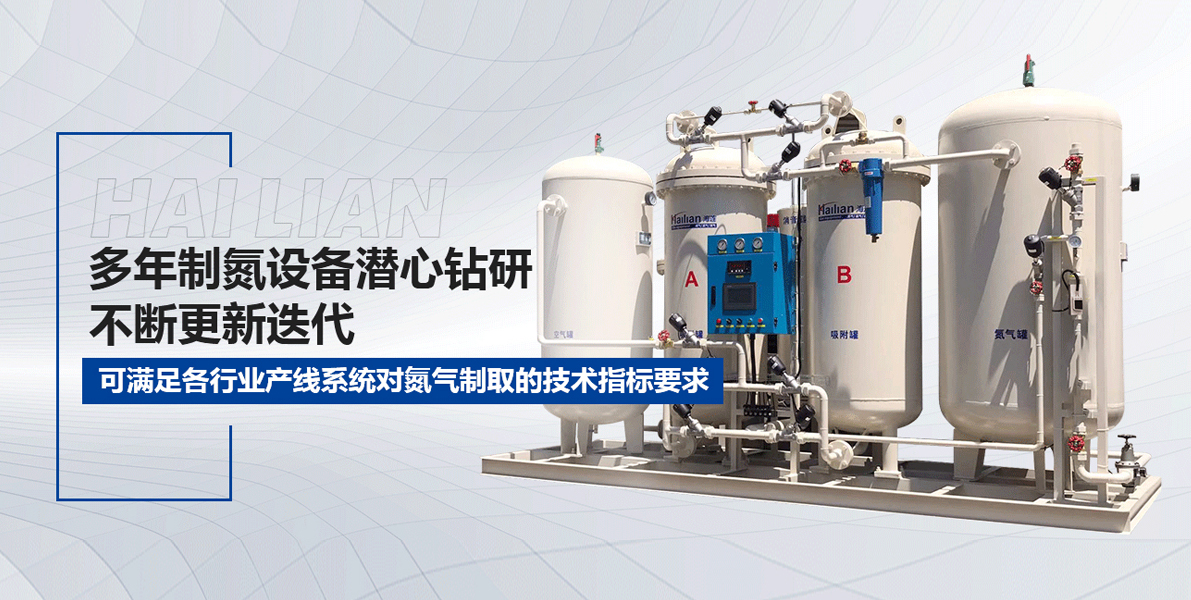
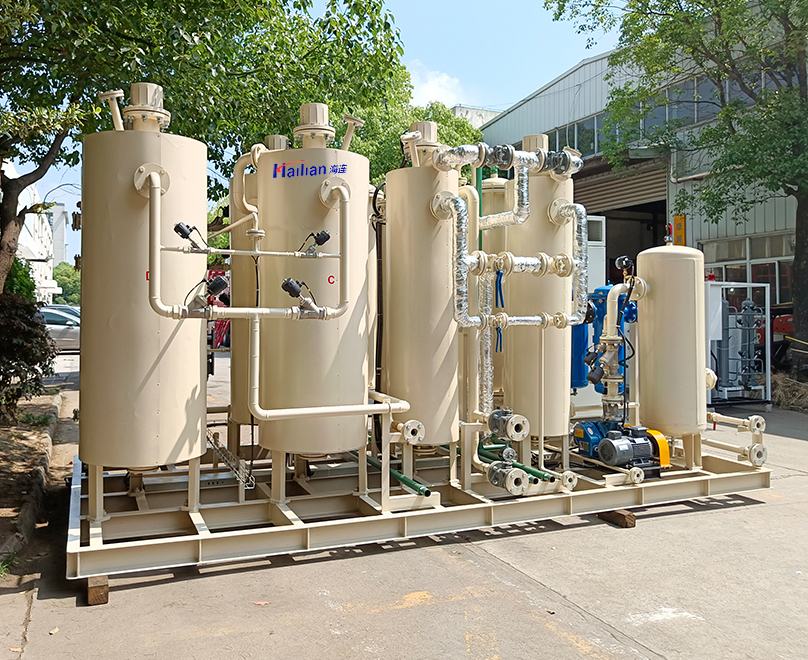
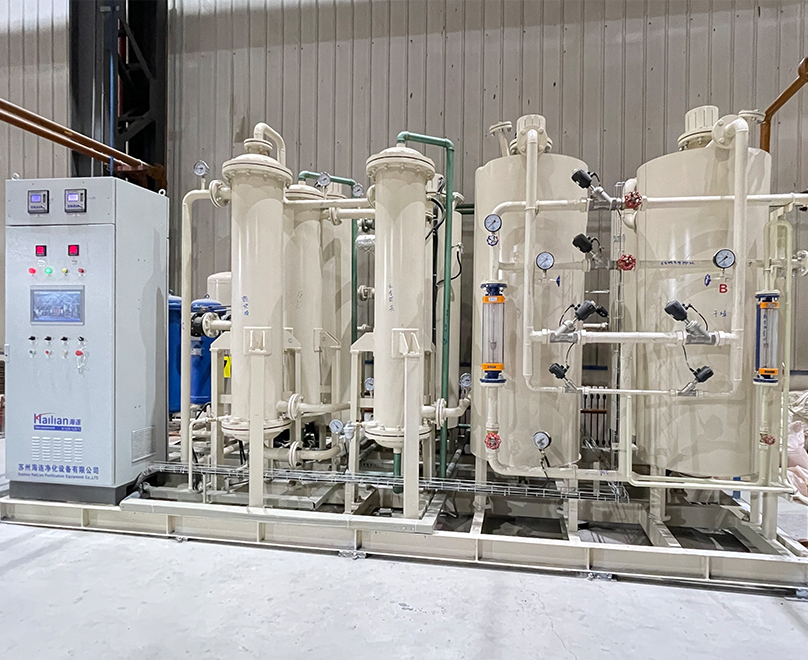
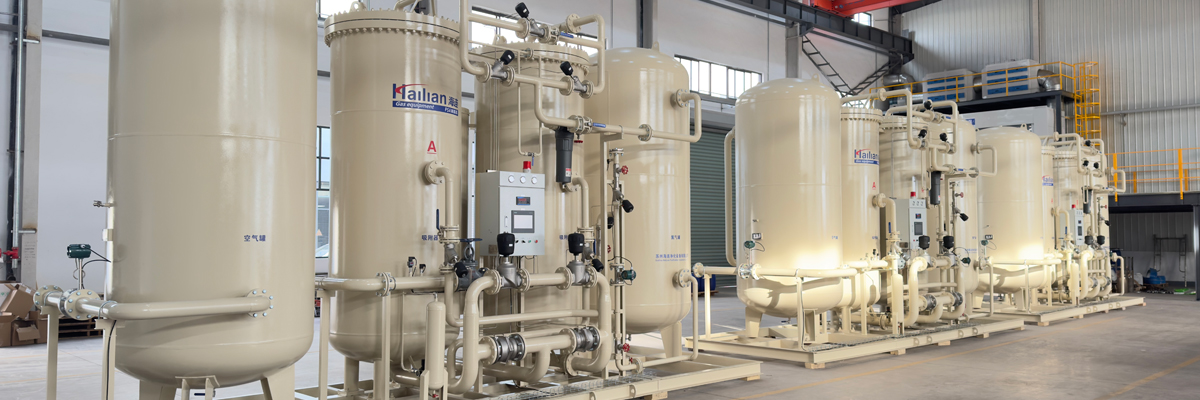
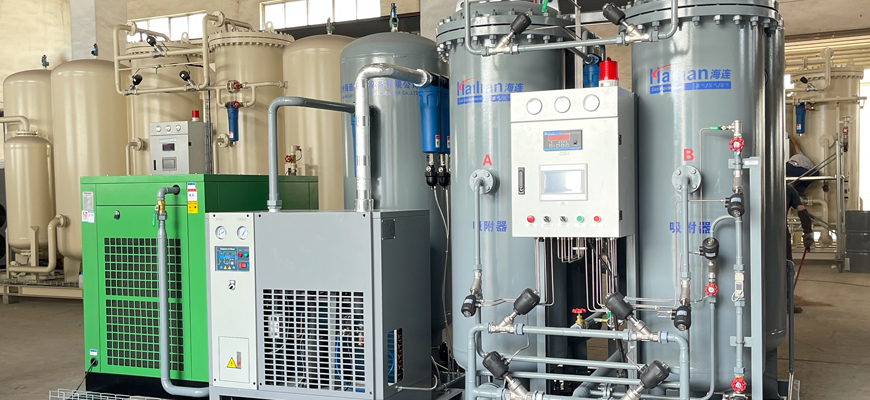
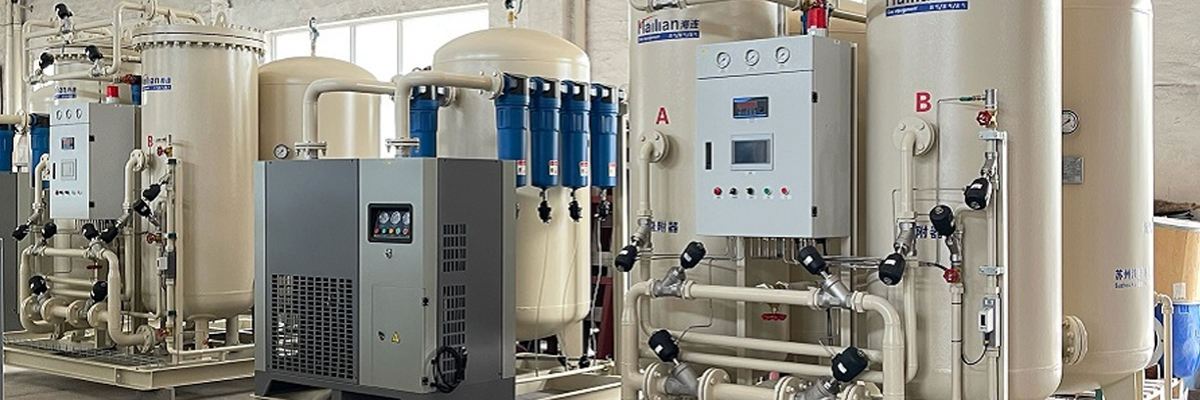
A gas recovery device is an equipment used for processing and recovering waste gases (hydrogen, carbon dioxide, argon, helium, etc.), which achieves precise separation and recycling of high-value gases in industrial waste gases through multiple technological collaborations, in order to reduce production costs, save energy, and improve economic efficiency. According to different situations, membrane separation technology, pressure swing adsorption technology, and catalytic combustion are used to achieve recovery. Collect exhaust gas for pre-treatment, and then enter the purification device for purification, reducing oxygen content, water, etc. For example, the hydrogen recovery system can be operated under different pressures such as atmospheric pressure and pressurized pressure; The argon gas recovery device recovers the argon gas discharged from the zone melting monocrystalline silicon furnace, and enters the argon purification device for treatment through a membrane compressor stabilizer, achieving an argon purification effect of over 59%.
Main Features:
* Higher gas recovery and utilization rate
* Exquisite design results in lower energy consumption
* Intelligent control system achieves automatic parameter adjustment
* One click start stop, fully automatic operation, simple operation and maintenance
The inlet gas of the recycling system comes from the recovered waste hydrogen and tail gas hydrogen. Firstly, it is cooled, washed, and dedusted to condense most of the moisture in the waste hydrogen gas, which then enters the Roots blower for pressurization; After being pressurized by the fan, the waste hydrogen gas enters the hydrogen purification device or PSA for secondary treatment, reducing the oxygen content and dew point of the gas to the production requirements; The purified hydrogen gas is recycled back and forth as raw hydrogen gas.
1.membrane separation technology
* Based on the selective permeation characteristics of polymer membranes or ceramic membranes, gas component separation is achieved through pressure differential driving. For example, in oil and gas recovery, a combination process of "absorption tower+membrane module+adsorption tank" is used, which prioritizes the permeation of light components (such as hydrocarbons), intercepts heavy components, and achieves a recovery rate of over 95%.
* Suitable for the recovery of VOCs (volatile organic compounds), hydrogen, carbon dioxide and other gases, reducing energy consumption by 30% compared to traditional condensation methods.
2. Pressure Swing Adsorption (PSA) technology
* By utilizing adsorbents (such as activated carbon and molecular sieves) with varying adsorption capacities for gases at different pressures, separation is achieved through periodic pressurized adsorption and depressurized desorption. For example, in SF6/N2 mixed gas recovery, the ultra-low temperature and high pressure solidification method combined with PSA can increase the purity of SF6 to 99.9%.
* Suitable for hydrogen rich tail gas purification (such as coke oven gas) and rare gas recovery, with flexible and adjustable processing capacity.
3. Catalytic combustion technology
* Perform high-temperature catalytic oxidation on combustible exhaust gases (such as H ₂, CH ₄) to convert them into thermal energy for reuse. For example, in the exhaust gas treatment of the semiconductor industry, the combustion chamber temperature is ≥ 1200 ℃, the treatment efficiency of HCL, SiH4, etc. is>99%, and the by-products are soluble in water, reducing dust blockage.
&主要特点:
* High recovery rate: Membrane separation technology has a treatment efficiency of>95% for fluorides such as CF4, and PSA technology achieves a hydrogen purification purity of 99.999%
* Anti interference ability: Composite adsorbents (such as activated carbon+molecular sieve) can tolerate toxic substances such as H ₂ S and SO ₂, and are suitable for the treatment of sulfur-containing waste gas.
* Low energy consumption design: Membrane separation at room temperature does not require heating, PSA energy consumption is only 60% of traditional processes, and catalytic combustion waste heat reuse rate reaches 70%.
* Intelligent control: PLC+SCADA system monitors 100+parameters in real time, automatically adjusts pressure and temperature, key equipment dual machine hot standby, ensuring continuous operation for 7 × 24 hours.
* Modular design: Skid mounted structure supports rapid deployment